All Categories
Featured
Proven Tennessee Real Estate Carpet Care
Table of Contents
Utilize a manufacturer-approved cleaner when the flooring requires a much deeper cleaning. Getting rid of dirt before it grinds into the finish helps maintain the flooring with less work.
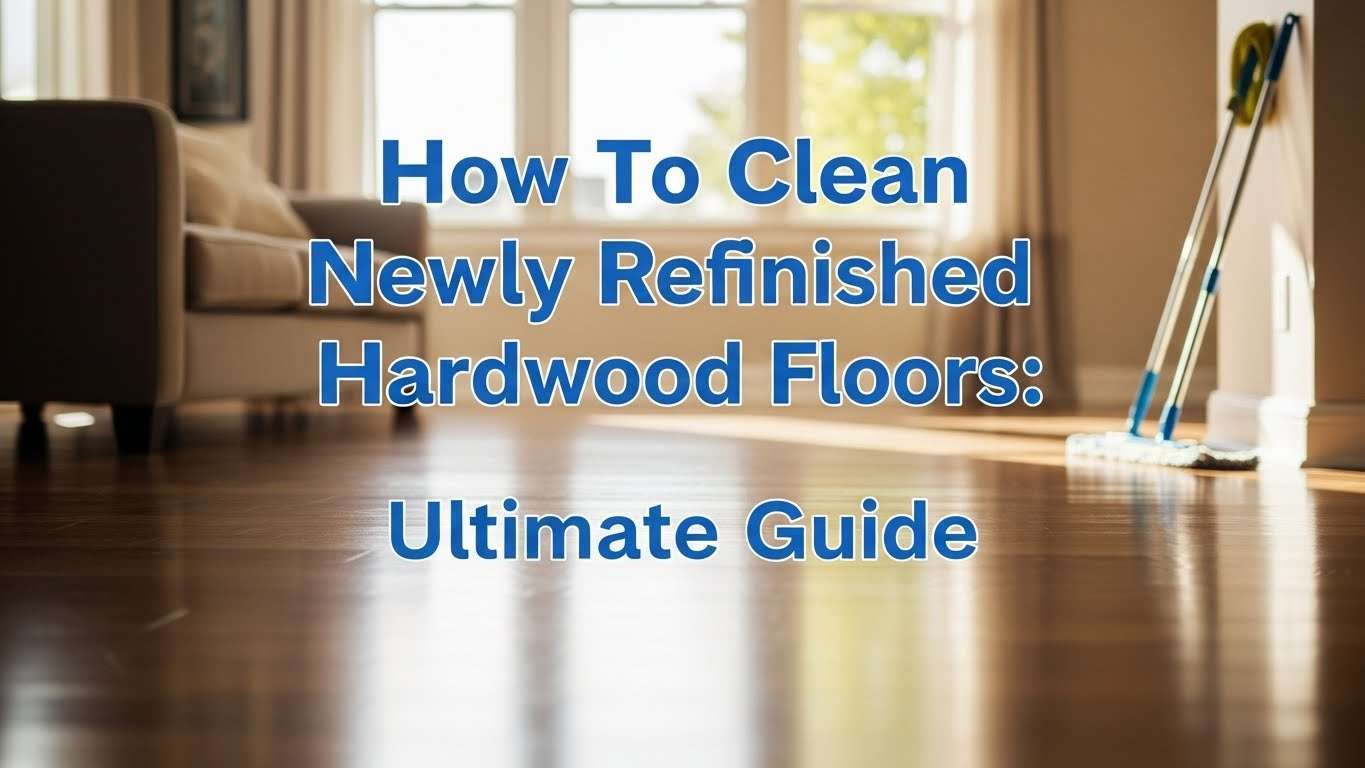
Strong wood, crafted wood and wood-look items have various care requirements. Even 2 hardwood floors can require different items since their finishes aren't the same. Start with the flooring manufacturer's written care directions. If those aren't readily available, try to find the item name or setup records. A floor covering expert can also help identify the product and surface.
Apply the item as directed rather than assuming a stronger concentration will clean up much better. Components that appear moderate can affect a finish over time.

Water and wood flooring don't blend well when wetness is enabled to sit. Utilize a lightly moistened mop rather than a soaking-wet one.
Professional Advice for Floor Protection
Operate in manageable sections and wipe up remaining moisture immediately. Avoid utilizing bleach, ammonia, abrasive scrubbers or other extreme items unless the floor covering maker particularly approves them. These cleaners can damage or dull particular finishes. Steam cleansing likewise requires care. Steam introduces heat and wetness into the floor, consisting of along joints and seams.
Preventive care minimizes the quantity of cleaning and repair a wood floor needs. Location mats at entryways to catch grit before it reaches the floor.
Tidy underneath them routinely due to the fact that trapped debris can still scratch the surface. Check the flooring manufacturer's guidance before picking a carpet pad. Some rubber, latex or adhesive backings can respond with certain surfaces or leave marks. Utilize a nonstaining pad recommended for the flooring. Connect felt or manufacturer-approved pads underneath chair legs, tables and other furniture.
Ways to Effectively Clean Wood Planks in 2026
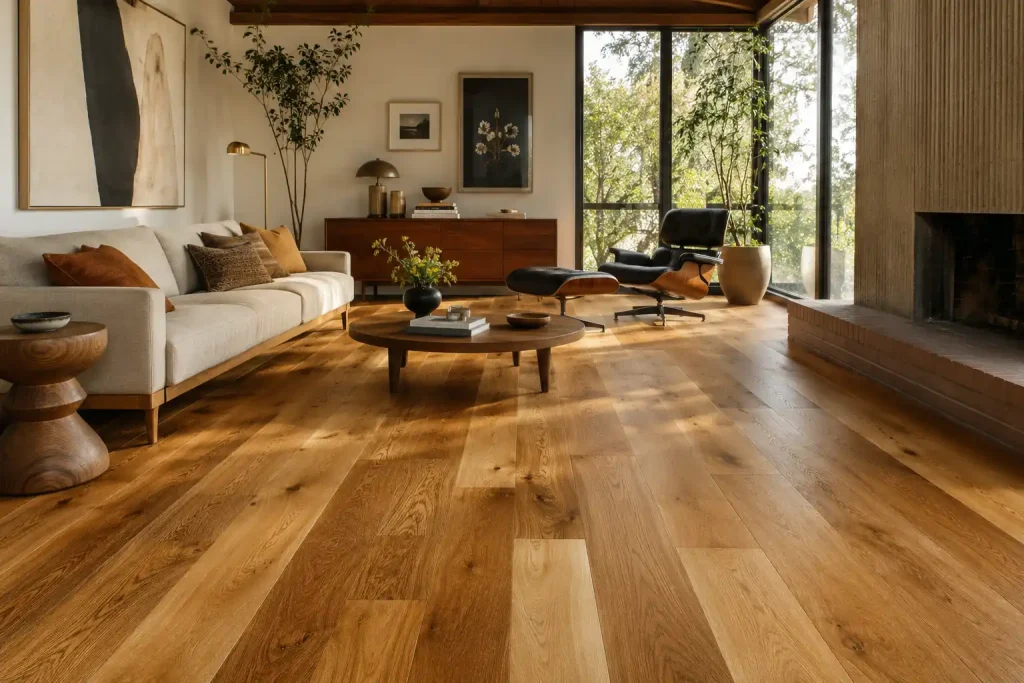
Pads can use down or collect grit that scratches the floor when furnishings relocations. Never ever drag heavy furniture throughout hardwood. Lift it or use moving equipment developed to safeguard the floor covering. Spills are simpler to manage before they spread or soak into joints. Blot the liquid with a clean, absorbent cloth instead of rubbing it across a bigger area.
Dry the area completely when finished. Resist the desire to scrape the floor with a sharp tool or use a stronger chemical.
Surface area cleaning might not attend to moisture that has reached the wood or subfloor. Routine cleaning is likewise a chance to examine the floor.
How Pet Urine Damages CarpetDeep scratches that expose bare wood need more attention due to the fact that the protective layer has been broken. Moving carpets and furniture occasionally can motivate more even color changes, however owners need to follow maker assistance before putting or relocating flooring coverings.
Routine care can protect hardwood, however it can't fix every concern. A floor covering expert ought to evaluate widespread surface loss, deep scratches, water damage, loose boards or considerable staining.
Ways to Properly Maintain Hardwood Planks in 2026
Some floorings can be screened and recoated to revitalize the protective surface. Engineered wood can have limits on how much sanding it can endure, depending on the density of its real-wood wear layer.
How Pet Urine Damages CarpetDo not wait up until exposed wood or wetness damage spreads. The most reliable wood flooring care isn't complicated.

Latest Posts
The Ultimate Guide for Safe Sofa Deep Cleaning
Effective Household Rug Cleaning Solutions for 2026

Optimizing Surfaces for the 2026 Property Market